
Why reform alone won’t fix the Greyhound Racing industry.
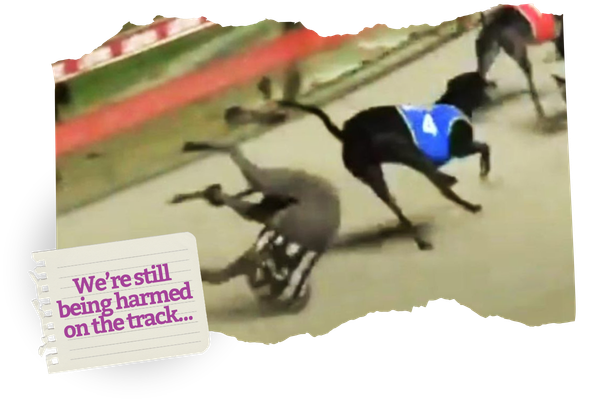
In 2023, confronting footage of greyhound abuse in South Australia sparked widespread concern and prompted the State Government to act. An independent Inquiry was launched to examine Greyhound Racing SA’s operations, culture, and animal welfare standards.
What it uncovered was significant.
The Inquiry, referred to as the Ashton Report, handed down 87 recommendations – many aimed at addressing serious and systemic welfare issues. In response, Premier Peter Malinauskas gave the industry a clear warning: it had two years to implement meaningful change or face the risk of being shut down. That warning alone speaks volumes.
It acknowledges that the issues within greyhound racing are not minor or isolated. They are deep-rooted, systemic and entrenched.
Where are we now?
We are just three months away from the end of the reform period, yet an important question still remains.
Is meaningful change actually happening?
The available evidence raises serious concerns.
In 2025, South Australia recorded the highest rate of greyhound deaths and major injuries in the nation. Rather than declining, deaths and major injuries increased in SA, with our state having more in 2025 than it had in 2020.
This is not what reform is meant to look like. If welfare improvements were working, we would expect to see a clear and measurable reduction in harm. Instead, the available data suggests the opposite.
Reform does not equal resolution
There is a growing narrative that because reforms are underway, the industry is now on the right track or even that it has become ethical. But reform alone does not guarantee positive outcomes for animal welfare.
Without measurable improvements in welfare, fewer injuries and zero deaths recorded, greater transparency, and less overbreeding throughout the industry, this reform risks becoming a process without real change. We have seen similar patterns before.
In other jurisdictions, including New South Wales, reforms were introduced following public scrutiny. Yet serious welfare problems persist, raising questions about whether incremental changes are enough to address systemic issues.
The reality for greyhounds remains that they are still put at risk of injury or death every time they step onto the track.
While some greyhounds may experience positive outcomes, many others face:
serious or career-ending injuries
death
uncertain futures after racing
limited visibility over their long-term welfare.
And without comprehensive, transparent lifetime tracking, we still do not have a complete picture of what happens to greyhounds once they leave the track.
What happens next?
The South Australian Government set a clear expectation: meaningful reform within two years.
As the 7 July 2026 deadline quickly approaches, the focus must remain on outcomes, not intentions.
Are injury rates decreasing?
Are deaths decreasing?
Are all greyhounds being accounted for and afforded good welfare throughout their lives?
If the answer to these questions is no, then we must ask ourselves whether reform alone is enough.
Accountability matters
This is not just about policy. It’s about ensuring that greyhounds are protected from harm, and that the industry responsible for their welfare is transparent and accountable.
Reform is a step. But it is not the finish line.
Until we see clear, measurable improvements in welfare outcomes, the concerns that led to the Inquiry in the first place remain unresolved.
Rest In Peace – Capo Dei Capi
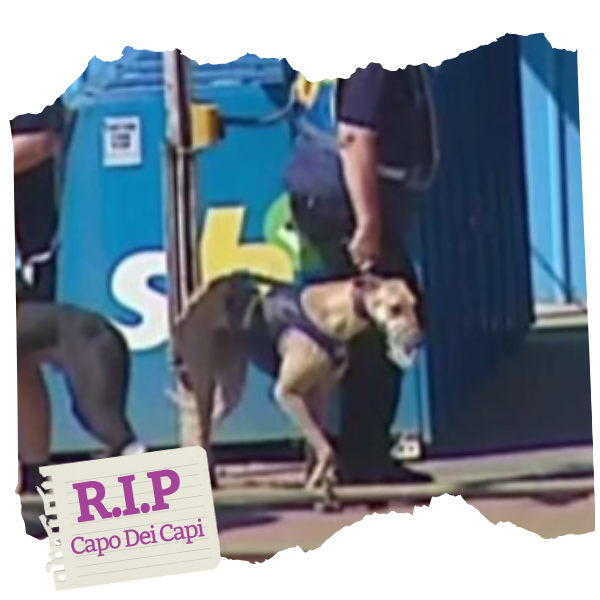
Image: Coalition for the Protection of Greyhounds
And then there are individual stories that cut through the statistics.
In yet another Shepparton VIC racetrack death – Capo Dei Capi – a 20‑month‑old greyhound, ran her third ever race on 30 March and won.
Moments later she suffered a broken front leg in a catching‑pen “incident” and was killed. Her screams can be heard in the post‑race audio.
She died in agony with a broken leg.